How to Get a Bachelors Degree Abroad
Managing the journey toward earning a undergraduate degree in a foreign country necessitates thoughtful attention to numerous aspects. Applicants need to consider universities and destinations based on learning quality, scholarship availability, and cultural alignment. Gaining clarity on visa regulations is essential for a smooth changeover. Yet, the experience extends far beyond practical matters. Adapting to new environments and maintaining connections with home play crucial roles in shaping the experience. What hurdles and prospects are in store for those pursuing this route?
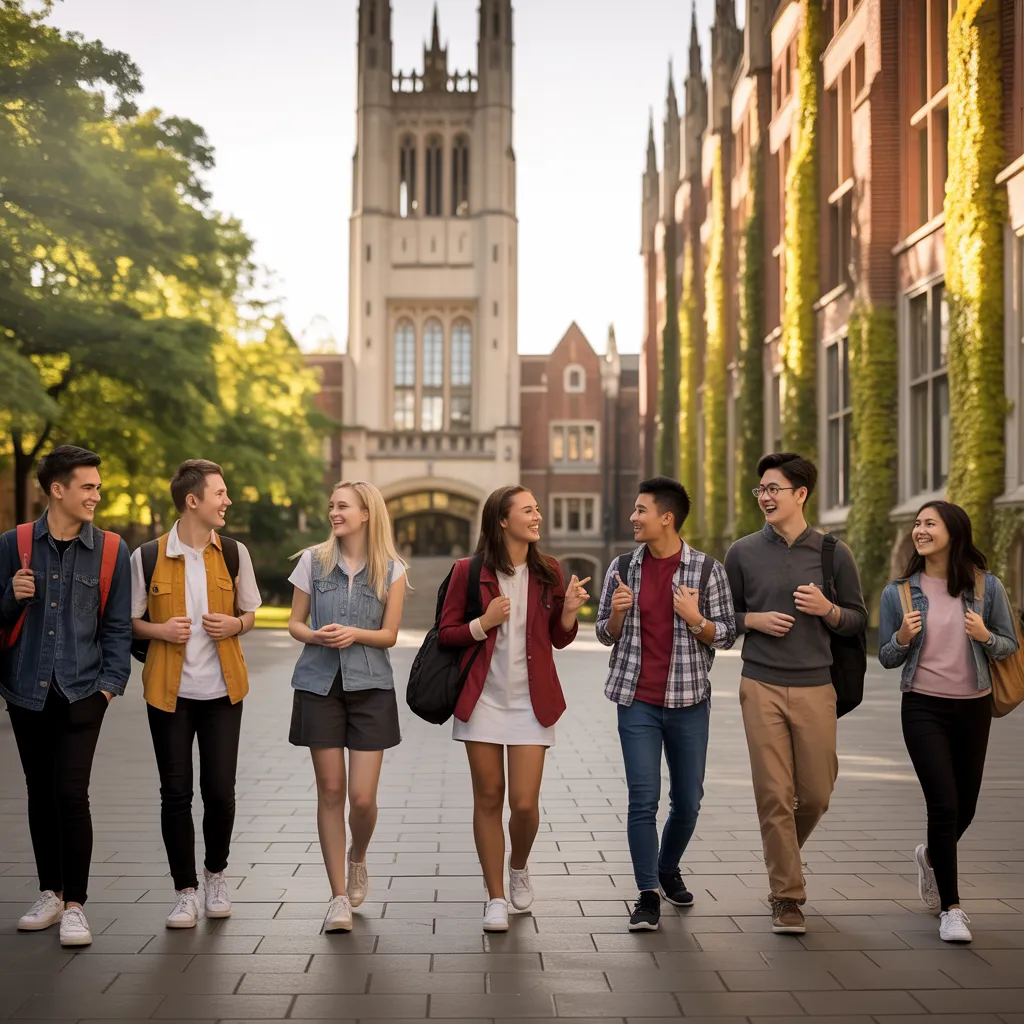
What Key Factors Should You Evaluate When Selecting a Country?
When deciding on a destination for a undergraduate degree abroad, what essential considerations should guide the decision? To begin, the educational quality is paramount; future students ought to investigate institutional rankings, professor credentials, and the program's applicability to their area of study. Additionally, language serves as a critical consideration; students need to assess whether they are comfortable studying in the local language or if programs in English are available.
Cultural compatibility is another important consideration; understanding the society, customs, and lifestyle can greatly influence the overall experience. Moreover, safety and political stability represent vital aspects to evaluate; students are encouraged to examine the country's safety standing and existing political landscape. Finally, proximity to home and travel opportunities can affect personal preferences and overall satisfaction. By carefully considering these elements, students can arrive at well-informed choices that correspond with their academic and personal goals.
How to Acquire Funding and Scholarships for an International Study Experience
Securing funding and scholarships is essential for students considering a bachelor's degree abroad. A wide range of scholarships can be found, serving a variety of needs and academic backgrounds, and knowing these opportunities can significantly improve financial access. Moreover, utilizing strong application approaches can increase the likelihood of success in the competitive scholarship landscape.
Scholarship Types Available
When seeking a baccalaureate degree abroad can be a transformative experience, knowing the scholarship options at your disposal is vital for controlling financial obligations. Various scholarships cater to different needs and circumstances. Scholarships based on merit recognize outstanding academic performance, while financially focused scholarships support students facing economic difficulties. Certain universities provide dedicated scholarships for international students to promote inclusivity. Furthermore, government-backed programs such as Fulbright or Chevening deliver significant financial aid for studying internationally. Private organizations and foundations also contribute funding through scholarships aimed at specific fields or regions. Finally, various countries extend scholarships to welcome overseas students, broadening access to tertiary education. Researching these alternatives can considerably lighten the economic challenges associated with studying overseas.
Tips To Help You Succeed With Your Application
Navigating the scholarship application process can greatly enhance a student's prospects for receiving funding for international study. To improve their prospects, students should start by exploring various scholarships that match their scholarly ambitions and personal histories. Writing a strong personal essay is crucial; it should precisely express motivations and aspirations. In addition, acquiring compelling endorsements from instructors or academic supervisors can provide valuable support. Students must also remain fully aware of application deadlines and requirements, guaranteeing all components are filed punctually. Moreover, showcasing relevant experiences, such as extracurricular activities or professional training, can distinguish a candidate. Finally, maintaining an organized approach allows for thorough management of applications and correspondence, thereby improving the likelihood of securing funding.
Understanding Visa Requirements for Your Chosen Country
Comprehending visa criteria is vital for students who plan to pursue international education. Numerous countries maintain distinct types of student visas, each with specific criteria and application processes. Navigating these requirements can significantly affect a student's capacity to engage in international academic pursuits.
Categories Of Student Visas
Maneuvering through the realm of student visas is essential for individuals planning a bachelor's degree abroad. Countries around the world have various types of student visas, all featuring unique criteria and benefits. For illustration, the F-1 visa in the United States enables students to undertake full-time studies, while the Tier 4 visa in the United Kingdom serves a similar purpose. Certain nations, like Canada and Australia, provide specific visas that permit students to work part-time during their studies. Furthermore, certain nations may have specific requirements based on the length of the program or the accreditation status of the institution. Grasping these distinctions is critical for students planning to study abroad to guarantee compliance and select the right visa for their course of study.
Application Process Summary
Working through the application process for a student visa requires careful attention to the specific requirements of the chosen country. Every country has distinct regulations, documentation, and timelines that must be adhered to. In most cases, applicants are required to gather essential documents such as proof of enrollment, financial statements, and health insurance. Additionally, some countries may require a language proficiency test or a medical examination.
It is important for prospective students to start the application process early, as visa processing times can differ significantly. It is equally important to become familiar with the embassy or consulate's guidelines, as they supply comprehensive guidance and current information on necessary requirements. Ultimately, thorough preparation guarantees a smoother passage to studying abroad.
How to Pick a University That Supports Your Goals?
What is the best way to select a university that matches one's academic and professional goals? Initially, students ought to determine their precise ambitions, encompassing their chosen areas of study and future career plans. Researching universities with strong programs in those areas is vital. They can utilize online resources, academic rankings, and alumni networks to assess the quality of education offered.
Furthermore, elements like location, campus culture, and available extracurricular activities must be evaluated. A supportive campus culture can significantly improve the entire academic journey. Furthermore, prospective students should consider the university's partnerships with industries aligned with their chosen disciplines, as professional networking and internship prospects can play a pivotal role in future career success.
In conclusion, factoring in financial considerations, including academic fees and accommodation costs, is essential. By considering these elements, applicants can arrive at thoughtful conclusions that resonate with their objectives, promising a satisfying and enriching academic pursuit internationally.
Adapting to Cultural Differences in Your New Environment
When adapting to a new culture can be daunting, acknowledging the variations can lead to fulfilling outcomes. Students living overseas often encounter novel social customs, dialects, and social norms that may seem daunting at first. To manage these cultural transitions, it is important to engage with new encounters with an willingness to adapt and a eagerness to understand. Building relationships with locals, taking part in cultural activities, and building connections with native inhabitants can foster deeper understanding and appreciation of the surrounding culture.
In addition, maintaining a harmony between preserving one's own cultural identity and accommodating the new environment is of great importance. A spirit of curiosity and honest communication can help narrow cultural divides and diminish feelings of disconnection. As individuals encounter the unfamiliar, they often cultivate inner resilience and remarkable adaptability, skills that are invaluable both on a personal and professional level. In the end, these journeys can deepen one's learning and widen their perspective, making the study abroad experience remarkably life-changing.
What Should You Expect While Studying Abroad?
Studying abroad presents a unique mix of anticipation and challenges, as students often find themselves in foreign educational and cultural environments. try now Students might experience varying instructional approaches, which could range from collaborative group work to individual investigative work. Students should be prepared for varying expectations regarding participation and deadlines.
Socially, the experience can be equally transformative. Meaningful new relationships may blossom, but navigating a range of cultural customs and communication approaches can create certain difficulties. Students may feel homesick or isolated initially, but these feelings often diminish as they settle into their adopted communities.
Moreover, managing routine activities, such as getting accustomed to public transit systems and regional traditions, can be overwhelming yet beneficial. Learners can anticipate developing critical thinking abilities and adaptability as they adapt to these changes. Ultimately, the process nurtures a broader worldview and personal growth, rendering the difficulties worthwhile.
Ways to Keep in Touch With Home While Studying
Maintaining connections with home during studies abroad is vital for emotional stability and encouragement. Learners can leverage modern technology to close the gap, utilizing video communication, instant messaging, and social networking platforms to share experiences and keep loved ones updated. Arranging frequent communication sessions can build a soothing pattern, making it easier to navigate the challenges of studying in a new environment.
Additionally, students should consider joining nearby expatriate networks or communities, which can supply a network of support and shared experiences. Dispatching postcards or care packages can also reinforce connections and provide a tangible connection to home. Participating in cultural activities that bring them closer to their origins, such as making traditional dishes or marking holidays, nurtures a feeling of belonging. By actively maintaining these connections, students can enrich their overall study abroad adventure, guaranteeing they feel supported and less alone during their scholarly pursuits.
Answers to Common Questions
What Are the Top Countries for International Students?
Several countries are renowned for welcoming international students, including Australia, Germany, Canada, the United Kingdom, and the United States. These nations offer diverse programs, cultural experiences, and opportunities for academic and personal growth.
How Do I Locate Student Accommodation Overseas?
To find student accommodation abroad, students should look into campus housing opportunities, digital rental websites, and community rental listings. Engaging with fellow students and asking for suggestions can further yield useful information into fitting accommodation choices.
Am I Allowed to Work During My Studies Overseas?
Indeed, most international students have the ability to work while pursuing their studies overseas, subject to the relevant visa restrictions. Part-time jobs can provide useful real-world experience and contribute to covering living expenses, but juggling study and work responsibilities remains vital for achieving academic goals.
What Health Insurance Do I Need for Studying Abroad?
Students studying abroad generally need comprehensive health coverage that covers repatriation, hospitalization, and medical emergencies. It is essential to check the host country's requirements and verify the policy includes coverage for pre-existing conditions and routine care.
How Can I Improve My Language Skills Before Leaving?
To enhance language abilities prior to departure, one should participate in consistent practice through online courses, apps, language exchange programs, and interactive experiences with native speakers. Reading books and watching films in the target language also helps greatly.